

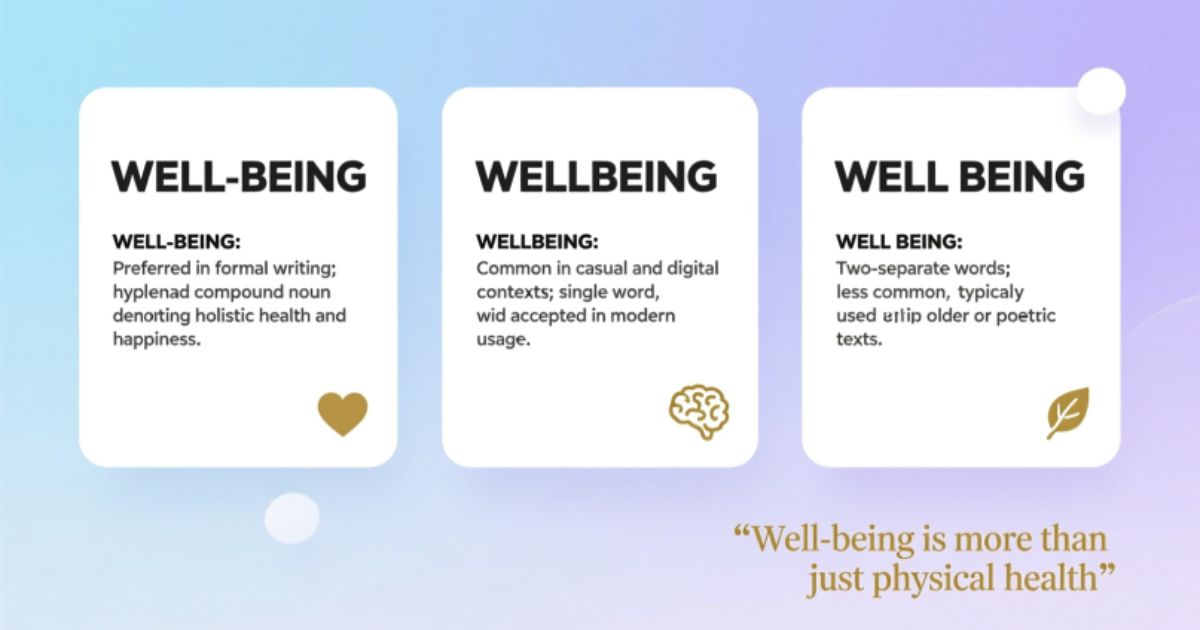
The debate surrounding well-being, wellbeing, and well being continues to puzzle writers, content creators, and professionals worldwide. These spelling variations represent the same concept of health and happiness, yet their usage differs based on regional preferences, style guides, and evolving language conventions.
As language evolution progresses, the spelling variations of this compound word reflect broader trends in English. Whether you’re addressing mental health, corporate wellness programs, or quality of life initiatives, choosing the correct spelling matters.
The Etymology of Well-Being
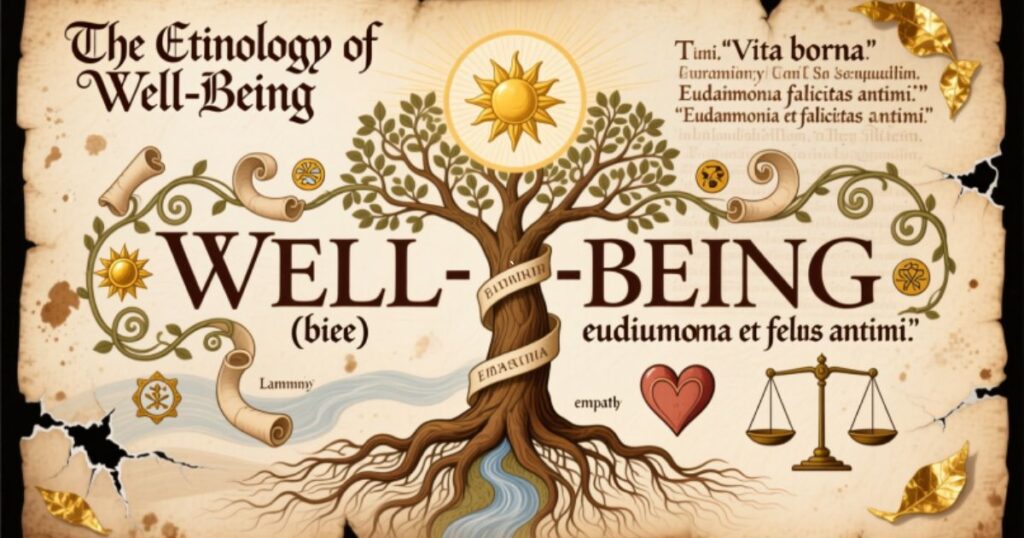
The term well-being originates from the Middle English phrase “wel being,” which literally meant being well or in good condition. Over centuries, language change over time transformed this two-word phrase into various forms.
The concept relates to overall health and wellness, encompassing physical health, mental well-being, and emotional balance in one’s life.
Historical texts show that “well being” appeared as two separate words initially. As English evolved and compound words became more common, the hyphenated form “well-being” gained prominence.
Today’s modern spelling conventions reflect ongoing debates about whether to maintain the hyphen, merge the words completely, or keep them separate in written communication.
Read Also This: https://celebsname.com/ai-photo-prompts/
A Global Perspective on Spelling
Regional preferences significantly influence spelling choices across English-speaking nations. In the United States, “well-being” with a hyphen remains the dominant form, endorsed by major publications and academic institutions.
The United Kingdom, Canada, and Australia show increasing acceptance of “wellbeing” as a single word, reflecting contemporary trends in spelling consistency and simplified language use.
The World Health Organization (WHO) uses “well-being” in official documentation, setting a global standard for public health policies and international communications. However, British health organizations increasingly adopt “wellbeing” without the hyphen.
This audience location-based variation demonstrates how preferred regional spelling patterns influence professional writing standards and digital media usage across different English-speaking markets worldwide.
Style Guides and Official Recommendations
Major style guides provide specific recommendations for writers and editors. The AP Stylebook traditionally favors “well-being” with a hyphen, maintaining consistency with hyphenation rules for compound words.
This preference influences journalism, news writing, and media publications throughout North America. The Chicago Manual of Style similarly recommends the hyphenated form for formal writing, academic papers, and professional publications.
The Oxford English Dictionary lists both “well-being” and “wellbeing” as acceptable spellings, acknowledging evolving usage patterns. Merriam-Webster primarily features “well-being” as the main entry while recognizing “wellbeing” as an alternative.
These authoritative sources highlight the ongoing evolution of spelling and the importance of proofreading to maintain consistency within documents and organizational communications.
The Case for Each Spelling
Well-being
The hyphenated “well-being” represents the traditional and most widely accepted form in American English. It clearly shows the compound nature of the term, combining “well” and “being.” This spelling appears in academic research, psychology journals, government documents, and formal publications. Its structure aids readability and prevents ambiguity.
Wellbeing
“Wellbeing” as one word reflects modern trends toward simplification in English. This form gains popularity in British English, corporate wellness programs, and contemporary health terminology.
The WHO well-being initiatives increasingly use this spelling. It appears more streamlined and represents the holistic health concept as a unified idea rather than separate components.
Well being
Using “well being” as two separate words is generally considered incorrect in modern usage. This form might appear in historical texts or casual writing but lacks recognition in style guide recommendations. Avoiding this spelling prevents confusion and maintains writing consistency. Most editors and search engine optimization tools flag this as an error.
Impact on Search Engine Optimization (SEO)
Search engine optimization strategies must account for all spelling variations when creating content. Search volume comparison data reveals that “well-being” receives substantial searches in North America, while “wellbeing” dominates in UK-based queries.
Understanding these patterns helps content creators target appropriate audiences. Google’s algorithms recognize these terms as synonyms, improving discoverability regardless of spelling chosen.
Using wellbeing definition keywords naturally throughout content enhances visibility. Including variations like “well-being vs wellbeing” captures users searching for clarification.
Strategic placement of mental well-being, physical well-being, and employee well-being terms attracts diverse audiences. Maintaining spelling consistency within individual articles prevents confusion while meta descriptions and tags can include multiple variations for broader reach.
Using Well-Being in Context
Context determines the most appropriate spelling choice for your writing. Academic papers typically require “well-being” following institutional style guides and peer-reviewed journal preferences. Business communications about employee wellness programs may use either form depending on organizational standards and geographic location.
Understanding your audience’s expectations ensures effective communication.Professional writers should establish clear conventions at the project’s beginning. If working for international organizations, consider the audience location and predominant usage in target markets. C
onsistency matters more than the specific choice, switching between spellings within the same document undermines credibility. Reference your organization’s editorial guidelines or choose correct spelling based on primary style guide recommendations for your field.
| Context | Recommended Spelling | Reason |
| Academic Writing (US) | Well-being | AP and Chicago style preference |
| UK Publications | Wellbeing | Modern British convention |
| International Organizations | Well-being | WHO standard |
| Corporate Communications | Either (be consistent) | Company style guide dependent |
Beyond Spelling: The Concept of Well-Being
Regardless of spelling preference, the underlying concept of well-being encompasses comprehensive health and happiness. This holistic health approach includes physical and mental well-being, social connections and well-being, financial stability and well-being, and emotional balance.
The term represents more than absence of illness, it indicates flourishing and optimal functioning across life domains.
Well-being measurements assess multiple dimensions simultaneously. Researchers measure life satisfaction, purpose, positive emotions, engagement, relationships, and accomplishment.
The concept extends beyond individual experience to community and societal levels. Public health policies increasingly focus on population well-being rather than merely treating disease. This shift reflects growing recognition that quality of life determines overall health outcomes and longevity.
Well-Being in Various Fields
Psychology and Mental Health
Psychology and mental health professionals extensively study well-being as a core outcome. Positive psychology examines factors that enable individuals and communities to thrive.
Research explores mental and emotional health, resilience, and personal development. Therapeutic interventions aim to improve well-being beyond symptom reduction. Clinical assessments now incorporate well-being measures alongside traditional diagnostic tools for comprehensive treatment planning.
Corporate Wellness Programs
Organizations implement corporate wellness programs to enhance employee well-being and boost productivity. These initiatives address physical fitness, stress management, work-life balance, and mental health support.
Companies recognize that investing in workforce well-being reduces healthcare costs, decreases absenteeism, and improves retention. Successful programs integrate well-being practices into company culture rather than offering isolated benefits or superficial solutions.
Public Health Policies
Government health initiatives increasingly prioritize population well-being in policy development. The World Health Organization promotes well-being as a fundamental right and development goal.
National strategies address social connections and well-being, environmental factors, economic stability, and healthcare access. Evidence-based public health policies target modifiable determinants that affect community health outcomes and overall societal flourishing.
Education
Educational well-being programs support student mental health, academic success, and social development. Schools implement self-care curricula, mindfulness practices, and supportive environments. Research shows student well-being correlates with learning outcomes, attendance, and future success.
Educators receive training to recognize distress signs and enhance communication with struggling students. Comprehensive approaches address academic, emotional, and physical needs holistically.
Synonyms and Related Terms
Understanding alternative expressions enriches vocabulary and aids communication. Common synonyms include:
- Wellness – emphasizes active health pursuit
- Flourishing – suggests thriving beyond basic health
- Quality of life – broader term including external circumstances
- Life satisfaction – subjective assessment of contentment
- Happiness – emotional component of well-being
- Thriving – dynamic state of positive functioning
- Health and happiness – combined physical and emotional states
- Holistic health – integrated mind-body-spirit approach
These wellness practices related terms serve different purposes depending on context. “Health and wellness” suits corporate communications, while “flourishing” appears in positive psychology literature. “Quality of life” frequently appears in medical research assessing treatment outcomes. Choosing appropriate terminology enhances precision and resonates with specific audiences effectively.
Common Mistakes and How to Avoid Them
Writers frequently make preventable errors with well-being terminology. The most common mistake involves inconsistency, alternating between “well-being” and “wellbeing” within the same document confuses readers.
Another error involves using “well being” as two separate words in formal writing. While this might appear in historical texts, modern spelling conventions reject this form. Check your organization’s preferred style guide and follow its recommendations.
If working across international markets, acknowledge regional differences in supplementary materials while maintaining primary document consistency for professionalism.
Common Errors to Avoid:
- Mixing spellings within one document
- Using “well being” (two words) in formal contexts
- Ignoring style guide recommendations for your field
- Failing to consider audience location preferences
- Overlooking hyphenation rules for compound words
- Not checking Merriam-Webster or Oxford English Dictionary when uncertain
The Future of Well-Being Terminology
Language evolution suggests continued movement toward simplified spelling. “Wellbeing” will likely gain acceptance even in American English as digital media usage influences conventions. Younger generations favor streamlined forms, and global communication encourages standardization.
Technology influences spelling conventions through autocorrect features and search engine optimization algorithms. As these systems treat variations equivalently, practical distinctions diminish.
Future writers may enjoy greater flexibility while maintaining writing consistency within projects. The core concept, mental well-being, physical health, and holistic health, remains constant regardless of orthographic changes in coming decades.
Well being vs wellbeing vs well being quiz
Test your understanding of spelling variations with these scenarios:
- Which spelling should appear in a university research paper following AP style guidelines?
- What form would a London-based health organization most likely use in 2025?
- Is “well being” (two words) acceptable in formal professional writing?
- Which spelling does the World Health Organization officially use?
Answers: 1) Well-being, 2) Wellbeing, 3) No, 4) Well-being. This quiz helps reinforce preferred regional spelling patterns and style guide recommendations for different contexts.
Well being vs wellbeing vs well being examples
Example sentences demonstrating correct usage:
- American academic context: “The study examined factors affecting adolescent well-being across urban communities.”
- British healthcare setting: “Our hospital’s new initiative focuses on patient wellbeing during recovery.”
- International report: “The WHO defines well-being as physical, mental, and social health.”
- Corporate communication: “Employee wellbeing programs have increased workplace satisfaction by 40%.”
These examples show how context, geography, and organizational standards influence spelling choices while maintaining spelling consistency within each usage.
Wellbeing or well-being AP style

The AP Stylebook officially recommends “well-being” with a hyphen. This preference applies to news writing, journalism, press releases, and media communications following Associated Press standards. Journalists and content creators working for newspapers, magazines, or online news platforms should use the hyphenated form consistently throughout articles and headlines.
AP style guidance extends to related compound terms like “well-known,” “well-established,” and “well-documented,” all requiring hyphens. Following these hyphenation rules ensures consistency across publications.
While some modern organizations transition toward “wellbeing,” adhering to AP Stylebook recommendations maintains professional credibility in American journalism and prevents editorial corrections during publication processes.
Wellbeing or well being Merriam Webster
Merriam-Webster dictionary lists “well-being” as the primary entry, defining it as “the state of being happy, healthy, or prosperous.” The dictionary acknowledges “wellbeing” as an alternative spelling gaining acceptance. No entry exists for “well being” as two separate words in this context, confirming this form’s incorrectness in modern usage.
When consulting Merriam-Webster for wellbeing definition or usage guidance, writers find the hyphenated version receives primary treatment. This authoritative source influences American English standards significantly. Educational institutions, publishers, and professional writers reference Merriam-Webster when establishing organizational style guides or resolving spelling disputes among team members during collaborative writing projects.
Wellbeing or well being chicago style

The Chicago Manual of Style recommends “well-being” with a hyphen for formal writing, academic publications, and professional documents. This influential guide shapes standards for book publishing, scholarly journals, and university press publications.
Writers following Chicago style should consistently use the hyphenated form throughout manuscripts, maintaining writing consistency from introduction through conclusion.
Chicago style provides detailed hyphenation rules for compound words, treating “well-being” as a permanent compound requiring the hyphen. This guidance applies regardless of the term’s position in sentences or its use as a noun or adjective.
Academic writers, researchers, and book authors should reference the latest Chicago Manual edition when questions arise about health terminology spelling or related compound expressions.
Read Also This: https://celebsname.com/saja-boys-names/
Frequently Asked Questions
How do you pronounce “well-being” correctly?
It’s pronounced as “well-bee-ing” with a clear hyphen break.
Which spelling is most accepted: well-being, wellbeing, or well being?
“Well-being” with a hyphen is the most widely accepted and standard spelling.
Is “wellbeing” one word in modern English?
“Yes, but it’s less common and often considered informal or stylistic.”
Can I use “well being” as two separate words?
It’s generally considered incorrect in formal writing.
What’s the difference between well-being and wellbeing?
They mean the same thing, but “well-being” is preferred in most dictionaries.
Why is “well-being” hyphenated?
The hyphen connects “well” and “being” to clarify meaning and pronunciation.
Is “well-being” the spelling used in academic writing?
Yes, academic and professional texts overwhelmingly use “well-being.”
What does “well-being” actually mean?
It refers to overall health, happiness, and life satisfaction.
Should I use “well-being” in business documents?
Yes, it’s the standard form for formal and professional communication.
Does British English prefer “well-being” or “wellbeing”?
British English sometimes uses both, but “well-being” remains the more accepted form.
Conclusion
The well-being vs wellbeing debate reflects broader language evolution patterns in English. While “well-being” remains standard in American formal writing per AP Stylebook and Chicago Manual of Style guidelines, “wellbeing” gains acceptance internationally.
Both spellings validly represent the essential concept of health and happiness, mental well-being, and holistic health across personal and professional contexts today. Successful communication requires spelling consistency rather than dogmatic adherence to single forms.
Consider your audience location, organizational style guide requirements, and field-specific conventions when choosing spelling. Whether addressing corporate wellness programs, psychology and mental health topics, or public health policies, maintain your chosen form throughout documents.

Hi, I’m Dome — the face behind CelebsName, your daily source for real celebrity facts, names, and stories.