

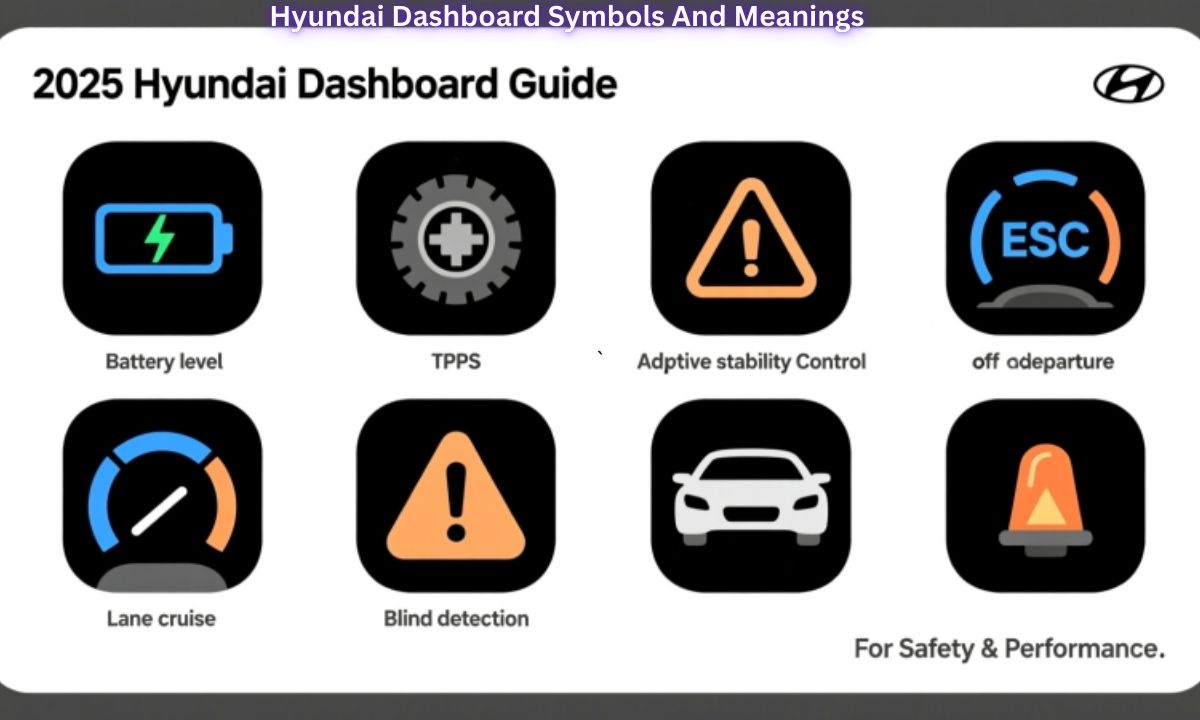
Your Hyundai communicates through dashboard symbols and meanings that protect you daily. Understanding Hyundai dashboard symbols transforms confusing lights into clear messages.
These car dashboard warning lights aren’t random, they’re your vehicle’s way of caring for your safety and performance every single mile.
Modern vehicle warning indicators save lives and prevent costly repairs. When car safety indicators illuminate, your Hyundai is speaking directly to you. Learning what Hyundai warning lights mean empowers confident driving.
This comprehensive dashboard symbols guide for Hyundai ensures you’re never confused when those critical lights appear unexpectedly.
Understanding Hyundai Dashboard Symbols: A Beginner’s Guide

Your Hyundai car safety warnings use colors to communicate urgency levels effectively. Red lights demand immediate attention, while amber car maintenance alerts suggest scheduling service soon. Green and blue indicators show active systems working properly without concern.
Dashboard color meanings follow universal standards across all Hyundai models nationwide. Understanding these car communication indicators prevents panic during routine driving situations.
Your owner’s manual provides specific details, but these fundamental patterns remain consistent. Hyundai model dashboard variations exist, yet core safety symbols stay remarkably similar across the entire lineup.
Read Also This: https://celebsname.com/eevee-name-trick/
Engine Warning Light: What It Really Means for Your Car
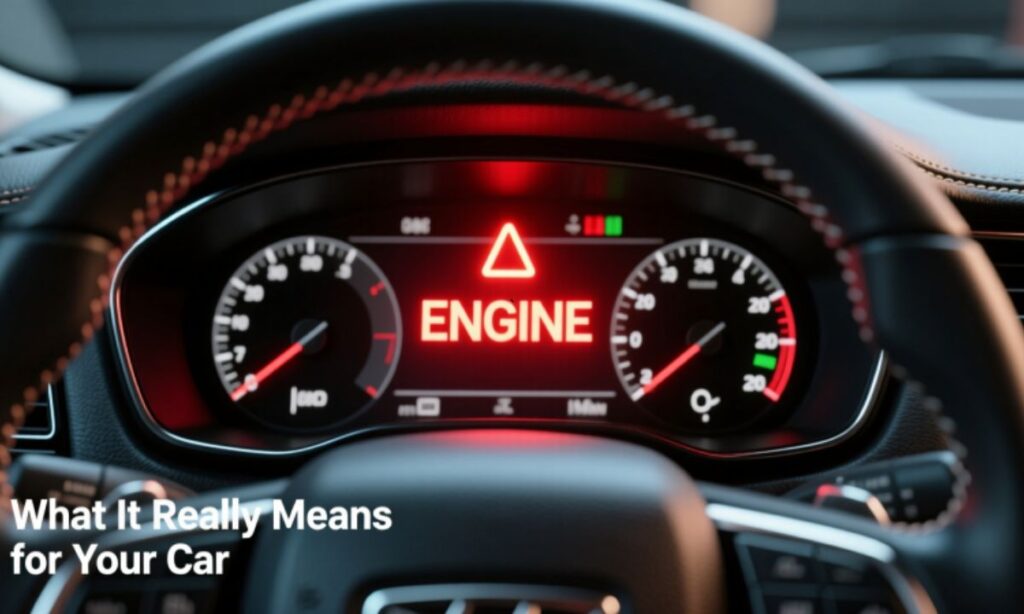
The engine warning light represents your vehicle’s most comprehensive diagnostic system monitoring performance. This Malfunction Indicator Light tracks emissions, fuel efficiency, and dozens of engine-related sensors continuously.
When illuminated, something affects your engine’s optimal operation, from loose gas caps to serious mechanical failures requiring professional diagnosis.
Ignoring this critical vehicle warning indicator risks engine overheating problems and expensive damage accumulating silently. The light’s persistence indicates stored diagnostic codes mechanics retrieve using specialized equipment.
While some triggers seem minor, persistent illumination demands attention. Preventing car breakdowns starts with respecting this universal warning that protects your investment and ensures reliable transportation always.
Battery Symbol Explained: Avoid Getting Stranded

The battery warning light signals vehicle electrical system issues affecting your charging system’s performance. This symbol doesn’t just indicate battery health, it monitors your alternator, voltage regulator, and electrical connections. When this light glows, your battery isn’t receiving proper charge while driving.
Continuing to drive with this car dashboard warning light active risks complete electrical failure unexpectedly. Your vehicle runs on battery reserves alone, which depletes rapidly without alternator support.
Testing your charging system immediately prevents costly repairs and roadside emergencies. This Hyundai charging system warning light protects you from being stranded in unsafe locations or inconvenient situations always.
Oil Pressure Indicator: Why Ignoring It Can Be Costly

The oil pressure warning light protects your engine’s internal components from catastrophic friction damage. Adequate oil pressure ensures proper lubrication reaches every moving part inside your engine.
Low pressure indicates insufficient oil levels, failing oil pumps, or significant internal leaks requiring immediate investigation. Preventing car breakdowns means stopping immediately when this red car maintenance alert appears suddenly. Driving without proper oil pressure destroys engines within minutes, causing thousands in repair costs.
Regular oil changes and level checks keep this vehicle warning indicator off permanently. Understanding what to do when warning light appears here means prioritizing engine preservation over destination arrival every single time without exception.
Brake Warning Light: Stay Safe on Every Drive
The brake system warning illuminates when critical safety systems need attention immediately. This car safety indicator monitors brake fluid levels, parking brake engagement, and overall hydraulic system integrity.
Low brake fluid indicates leaks or worn brake pads requiring replacement soon for continued safety.Safe driving with warning lights means addressing brake issues before they compromise stopping power.
Your brake warning light causes range from simple parking brake engagement to serious hydraulic failures.
Never ignore this red warning, your family’s safety depends on reliable braking performance. Routine maintenance reminders include regular brake inspections preventing emergency situations and ensuring confidence during every drive daily.
Temperature Warning: Protect Your Engine Today
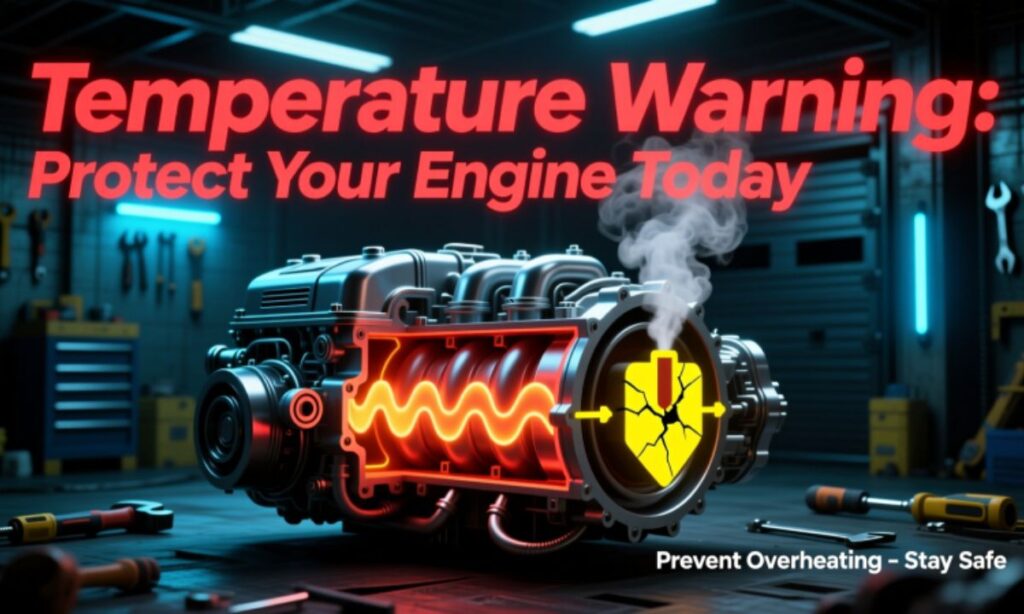
The temperature warning light alerts you to engine overheating problems that destroy engines permanently.
Your cooling system maintains optimal operating temperatures through coolant circulation, radiator function, and thermostat regulation. When this light appears, coolant levels are low, the radiator is blocked, or the water pump has failed.
Coolant issues escalate quickly from minor inconveniences to complete engine seizures costing thousands. Pull over immediately when this car dashboard warning light glows red on your display.
Let your engine cool completely before investigating the cause carefully. Regular coolant flushes and system inspections keep this Hyundai dashboard symbol off, protecting your engine’s longevity and performance reliability always.
Tire Pressure Symbol: How It Keeps You Secure
The Tire Pressure Monitoring System (TPMS) maintains optimal tire inflation for safety and efficiency. Tire pressure alerts prevent blowouts, improve fuel economy, and ensure proper handling characteristics.
This vehicle warning indicator illuminates when one or more tires drop below recommended pressure levels significantly.
Tire pressure symbol meaning connects directly to your vehicle’s stability and braking performance. Under-inflated tires wear unevenly, overheat dangerously, and increase stopping distances substantially.
Check all tires including your spare when this car safety indicator appears. Seasonal temperature changes affect pressure naturally, making regular monitoring essential for preventing car breakdowns and maintaining safe driving conditions throughout every season.
ABS Light Meaning: Ensuring Smooth and Safe Stops

The ABS light indicates issues with your Anti-lock Braking System that prevents wheel lockup during emergency stops. This sophisticated system pulses brakes rapidly, maintaining steering control on slippery surfaces.
When illuminated, your standard brakes still function, but you’ve lost this crucial safety feature.
ABS light meaning Hyundai owners should understand involves potential sensor failures, hydraulic issues, or electrical problems. Safe driving with warning lights requires extra caution during wet or icy conditions without ABS assistance.
Schedule immediate service to restore this car safety indicator functionality. Your Hyundai owner dashboard guide emphasizes ABS importance for family protection during unpredictable road conditions always.
Airbag Indicator: Why You Should Never Ignore It
The airbag warning light signals malfunctions within your supplemental restraint system protecting occupants. This critical airbag indicator warning means airbags might not deploy during collisions or could deploy unexpectedly. Sensor failures, wiring issues, or previous accident damage commonly trigger this warning.
Car safety indicators don’t get more important than airbag system functionality verification. Your family’s crash survival depends on properly operating airbags deploying at precise moments. Never ignore this vehicle warning indicator, schedule immediate professional diagnosis.
Frequently asked questions about Hyundai warning lights reveal airbag concerns rank highest among safety-conscious owners. Professional technicians diagnose airbag systems safely using specialized equipment protecting everyone.
Fuel Warning Light: Never Run Out of Gas Again

The fuel warning light prevents inconvenient roadside fuel depletion situations universally. This fuel warning light in Hyundai illuminates when your tank reaches approximately two gallons remaining. While seemingly obvious, this car communication indicator deserves respect during unfamiliar routes or remote travel.
Running completely empty damages fuel pumps designed to stay submerged in gasoline. Preventing car breakdowns includes maintaining adequate fuel reserves during all journeys.
Plan refueling stops strategically rather than testing your vehicle’s absolute range limits. This simple car maintenance alert saves you from dangerous roadside situations, expensive towing fees, and unnecessary stress during otherwise enjoyable drives everywhere.
Hyundai Charging System Warning Light
Your Hyundai charging system warning light monitors alternator output and battery charging continuously. This red battery-shaped symbol indicates electrical generation problems affecting all vehicle electronics.
Your alternator converts mechanical energy into electrical power while running, maintaining battery charge and powering accessories simultaneously.
Vehicle electrical system issues escalate quickly when charging stops functioning properly during operation. Your battery provides temporary power, but modern vehicles’ electrical demands drain reserves rapidly.
Address this car dashboard warning light immediately before complete power loss occurs. Alternator replacements cost significantly less than engine repairs from stalling in traffic or electrical component damage from voltage irregularities always.
Master Warning Light Hyundai

The master warning light Hyundai symbol appears as a triangle with an exclamation point. This umbrella warning indicates multiple minor issues detected simultaneously. Check your instrument cluster carefully for additional illuminated Hyundai dashboard symbols requiring attention. The master warning acts as an alert prompting closer dashboard inspection.
Common triggers include low washer fluid, door ajar warnings, or routine maintenance reminders scheduled soon. While less urgent than red warnings, this amber vehicle warning indicator deserves investigation.
Your dashboard symbols guide for Hyundai explains checking secondary displays for specific problem identification. Address indicated issues promptly maintaining optimal vehicle condition and preventing costly repairs from neglected minor problems escalating unnecessarily.
Hyundai Malfunction Indicator Light (MIL)
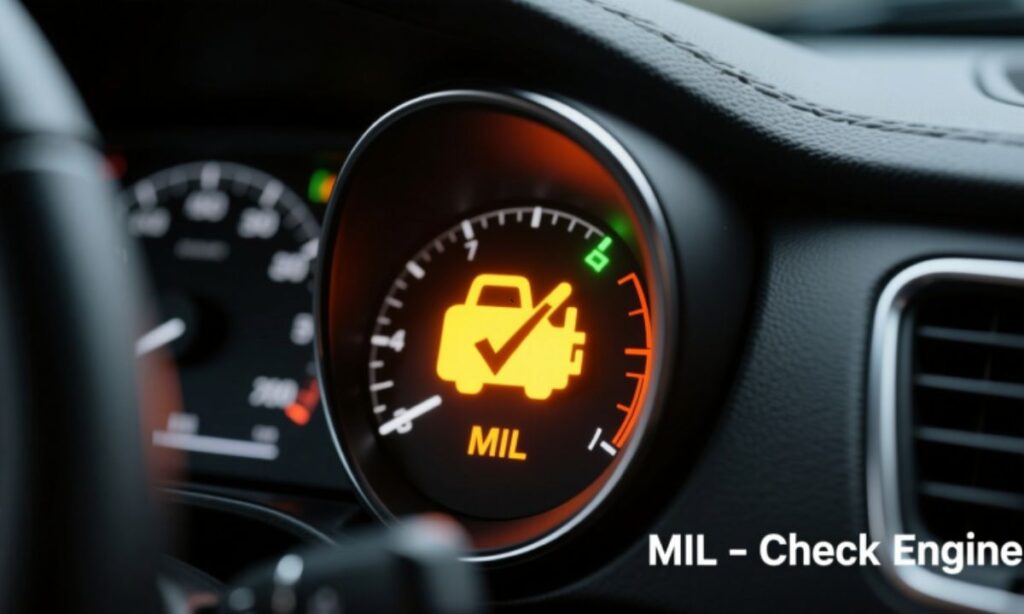
The Hyundai Malfunction Indicator Light (MIL) monitors emissions and engine performance continuously. This engine warning light uses sophisticated diagnostics tracking fuel mixture, ignition timing, and catalytic converter efficiency.
Federal regulations require this standardized car maintenance alert across all manufacturers protecting air quality.
What to do when warning light appears involves scanning diagnostic trouble codes stored in memory. Professional mechanics interpret these codes diagnosing specific component failures accurately.
Steady illumination indicates non-urgent issues, while flashing warns of severe misfires risking catalytic converter damage. Vehicle safety education includes understanding this light’s importance for environmental compliance and engine longevity.
Addressing Hyundai dashboard symbols and meanings promptly demonstrates responsible vehicle ownership and car breakdown prevention commitment always.
Read Also This: https://celebsname.com/not-my-name-quarterback/
Frequently Asked Questions
What does the engine warning light mean on a Hyundai?
It usually indicates an issue with the engine or emissions system and should be checked soon.
Why is my Hyundai battery light on?
The battery light suggests a charging problem, often related to the alternator or battery condition.
What does the tire pressure warning symbol mean in my Hyundai?
It means one or more tires have low air pressure and need to be inflated.
What does the oil pressure light mean on a Hyundai dashboard?
This warns of low oil pressure which can damage the engine if not addressed immediately.
Why is the ABS light on in my Hyundai?
It signals a malfunction in the anti-lock braking system affecting traction and stability.
What does the airbag warning light mean on a Hyundai?
It indicates a possible fault in the airbag system and airbags may not deploy during a crash.
What does the temperature warning light mean in my Hyundai?
The engine is overheating and should be turned off to prevent major damage.
What does the ESC light mean on Hyundai vehicles?
It shows the Electronic Stability Control system is active or has a fault if staying on.
Why is the check fuel cap light on in my Hyundai?
It means the fuel cap is loose or there’s an issue with the fuel vapor system.
What does the low fuel warning light mean in my Hyundai?
It alerts you that the fuel level is critically low and a refill is needed soon.
Conclusion
Understanding Hyundai dashboard symbols and meanings empowers confident, safe driving every single day. These car communication indicators represent your vehicle’s sophisticated monitoring systems protecting you constantly.
Respecting car dashboard warning lights prevents emergencies, saves money, and ensures reliable transportation. Your Hyundai truly cares about your wellbeing through these thoughtful warnings.
Vehicle safety education transforms dashboard confusion into maintenance confidence and ownership satisfaction. Learning what Hyundai warning lights mean creates partnership between you and your vehicle.
How to understand car dashboard symbols becomes second nature with experience and attention. This knowledge ensures safe driving with warning lights understood, addressed promptly, and never ignored dangerously.

Hi, I’m Dome — the face behind CelebsName, your daily source for real celebrity facts, names, and stories.