


Japanese last names often hide profound stories beneath their elegant kanji characters. These surnames carry whispers of history, echoing tales of sorrow, struggle, and shadowed legacy that have passed through generations, shaping family identity in ways few outsiders understand.
Beyond their beautiful calligraphy lies a world of dark meanings and mysterious origins. Each name serves as a preserved memory, connecting modern descendants to ancestral occupation, tragic past events, and the emotional connection to names that define their lineage and ancestry today.
The Hidden Histories Behind Japanese Last Names
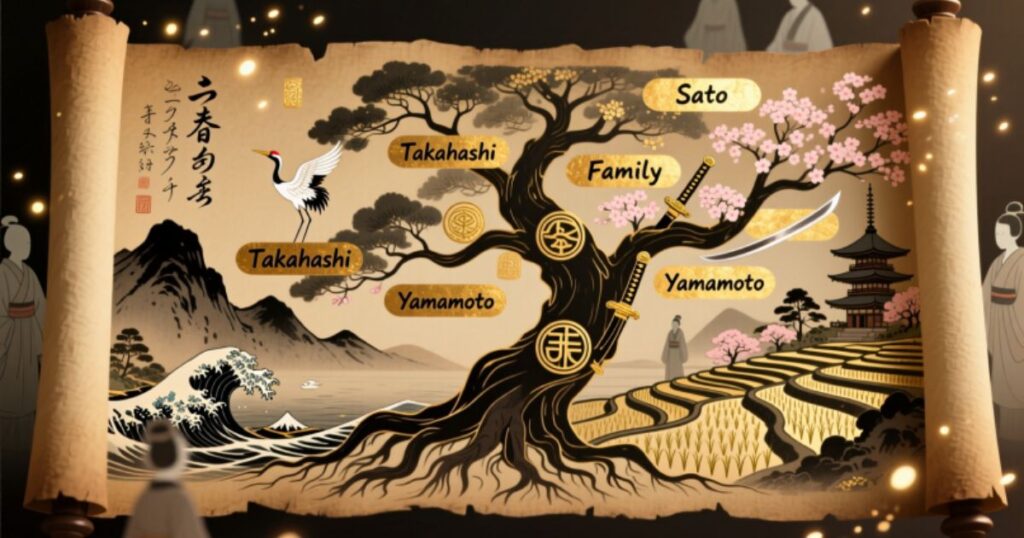
Surname history in Japan reveals layers of cultural identity rarely discussed in casual conversation. Many families bear names linked to historical events, battles, or locations where sorrow and misfortune once dominated. These hidden histories transform simple identifiers into powerful narratives.
The kanji meanings within surnames often reference darkness, death, or tragedy that ancestors experienced. Names became permanent markers of suffering, exile, or defeat. Understanding this shadowed past helps us appreciate how cultural preservation maintains these stories across centuries.
Read Also This: https://celebsname.com/iktr-meaning-in-text/
Dark Legends and Tales Woven Into Surnames
Folklore and legends deeply influence Japanese naming traditions, creating surnames that echo ancient stories of spirits and curses. These names carry romantic melancholy, blending beauty with darkness in ways that captivate the imagination and preserve haunted lineage through generations.
Some surnames reference haunted places or supernatural encounters that marked a family’s history. The shadowed beauty of these names reflects Japan’s storytelling traditions, where mystery and emotion intertwine. Each surname becomes a hidden poem connecting past to present through nature symbolism and myth.
Dark Surname Examples:
- Kurokawa (黒川) – “black river,” suggesting mysterious waters or places where tragic drownings occurred
- Yamishita (闇下) – “beneath darkness,” implying lives lived in shadow or under oppressive circumstances
- Shinigami (死神) – rare surname meaning “death god,” carrying obvious dark supernatural connotations
- Ankoku (暗黒) – “pitch darkness,” referring to periods of despair or places without light
- Yami (闇) – simply “darkness,” one of the most direct references to shadow
- Kuroki (黒木) – “black tree,” possibly marking locations of executions or forbidden forests
- Akuma (悪魔) – “demon,” an extremely rare surname with obvious sinister implications
- Kurai (暗い) – “gloomy” or “dark,” suggesting melancholic family temperament
How Meaning Shapes a Family’s Shadowed Past
Names function as constant reminders of family struggles that defined a bloodline’s journey. The emotional impact of carrying a dark surname affects how individuals perceive their heritage, creating pride mixed with somber acknowledgment of ancestral hardship and resilience through adversity.
Cultural identity becomes inseparable from these names, as families embrace rather than hide their shadowed legacy. The tragic past embedded in surnames teaches descendants about survival, sacrifice, and the strength required to overcome darkness. This emotional journey shapes character across generations.
Names Reflecting Tragedy:
- Namida (涙) – “tears,” marking families known for profound sorrow
- Kanashimi (悲しみ) – “sadness,” directly referencing emotional pain
- Zetsubou (絶望) – “despair,” indicating historical hopelessness
- Juubaku (呪縛) – “curse” or “spell,” suggesting supernatural affliction
- Noroi (呪い) – “curse,” marking families believed hexed
- Fukō (不幸) – “misfortune,” acknowledging bad luck
- Higeki (悲劇) – “tragedy,” commemorating catastrophic events
- Shikkoku (漆黒) – “jet black,” representing deepest darkness
Famous Japanese Last Names With Mysterious Origins
Certain surnames carry mysterious origins that historians still debate, their true meanings lost to time. These names emerged from haunted places, forbidden love, or samurai history events deliberately obscured, creating enduring fascination with their hidden histories and potential connections to darkness.
The folklore and legends surrounding these surnames make them culturally significant beyond their literal kanji meanings. Families bearing these names often become custodians of ancient stories, preserving whispers of history that might otherwise fade. Their lineage and ancestry becomes intertwined with Japan’s mysterious past.
Mysterious Historical Names:
- Abe (阿部) – ancient clan with connections to onmyōji (sorcerers) and supernatural practices
- Koga (古賀) – linked to ninja clans and secretive mountain villages
- Hattori (服部) – famous ninja family serving in shadows
- Mori (森) – “forest,” often referencing dark woods and hidden activities
- Oni (鬼) – “demon” or “ogre,” extremely rare and powerful
- Yasha (夜叉) – Buddhist demon, suggesting fierce warrior heritage
- Raiden (雷電) – “thunder and lightning,” implying destructive power
- Shura (修羅) – “carnage,” from Buddhist hell realm
The Emotional Impact of Names Steeped in Darkness

Carrying a surname with dark meanings creates complex emotions ranging from pride to burden. The emotional connection to names influences self-perception, as individuals navigate the romantic fascination others express while processing their own feelings about their shadowed beauty and family identity rooted in sorrow.
This romantic melancholy attracts people to these names despite, or because of, their darkness. The emotional journey of accepting a tragic past becomes part of personal growth. Understanding ancestral occupation or events that created these names helps descendants appreciate resilience while acknowledging pain.
Emotionally Charged Names:
- Sabishi (寂しい) – “lonely,” capturing isolation
- Urei (憂い) – “grief” or “sorrow”
- Kurushimi (苦しみ) – “suffering” or “anguish”
- Itami (痛み) – “pain,” both physical and emotional
- Zetsubo (絶望) – “hopelessness,” marking despair
- Aware (哀れ) – “pity” or “pathos”
- Hiai (悲哀) – “sadness and grief”
- Mujo (無常) – “impermanence,” Buddhist concept of life’s fleeting nature
Secret Meanings Few People Know About

Many Japanese last names hide secret meanings beneath surface interpretations, with alternative kanji meanings revealing darker truths. These hidden poems require deep cultural preservation knowledge to decode, as families sometimes deliberately obscured meanings to protect descendants from historical stigma or persecution.
The shadows of the past linger in these names, with nature symbolism often masking references to death, exile, or forbidden love. Experts in surname history uncover these layers, revealing how haunting legends and ancient stories were encoded into family names for cultural preservation across dangerous periods.
Names With Hidden Darkness:
- Shiranui (不知火) – “unknown fire,” mysterious phenomenon or ghostly lights
- Tsukuyomi (月読) – moon deity associated with night and death
- Izanami (伊邪那美) – goddess who became queen of the underworld
- Yomotsu (黄泉津) – referencing the land of the dead
- Meido (冥土) – “dark road” to afterlife
- Jigoku (地獄) – “hell,” extremely rare surname
- Mugen (無限) – “infinity,” suggesting endless darkness
- Mayoi (迷い) – “lost” or “wandering,” like lost souls
Ancient Stories That Haunt Japanese Lineages

Ancient stories preserved through surnames connect families to haunted lineage spanning centuries. These tales of samurai history, betrayal, and supernatural encounters become inseparable from family identity, creating haunting legends that descendants carry proudly despite their darkness and mysterious origins shrouded in time.
Folklore and legends explain how certain families acquired their names through encounters with spirits, battles, or divine punishment. The shadowed legacy becomes a badge of survival, proving ancestors endured what destroyed others. These whispers of history maintain cultural identity through storytelling across generations.
Names From Ancient Tales:
- Kitsune (狐) – “fox,” referencing supernatural fox spirits
- Tengu (天狗) – mountain goblins or demons
- Karasu (烏) – “crow,” often death omens
- Hebi (蛇) – “snake,” associated with betrayal
- Ryu (竜) – “dragon,” powerful but dangerous
- Baku (獏) – dream-eating yokai
- Nue (鵺) – chimera-like monster
- Gashadokuro (餓者髑髏) – giant skeleton yokai
The Connection Between Nature and Dark Surnames
Nature symbolism in surnames frequently references dangerous or foreboding landscapes where ancestors lived or died. Mountains, rivers, and forests associated with death, isolation, or haunted places became permanent family markers, blending shadowed beauty with environmental features that inspired fear and respect.
The kanji meanings linking nature to darkness reveal how geography shaped family struggles and ancestral occupation. Names referencing black water, dead trees, or barren lands carry sorrow and misfortune within seemingly simple descriptions. This cultural preservation maintains awareness of harsh conditions ancestors endured.
Nature-Based Dark Names:
- Kuroyama (黒山) – “black mountain,” suggesting ominous peaks
- Shisen (死線) – “death line,” dangerous boundary
- Kareha (枯葉) – “dead leaves,” marking decay
- Kareki (枯れ木) – “dead tree,” symbolizing lifelessness
- Shigaichi (死骸地) – “corpse ground,” burial areas
- Kumogakure (雲隠れ) – “hidden in clouds,” concealment
- Yamiike (闇池) – “dark pond,” mysterious waters
- Shikkoku-yama (漆黒山) – “jet-black mountain”
How Culture Preserves the Shadows in Names

Cultural preservation ensures dark meanings survive modernization, as families honor lineage and ancestry by maintaining traditional surnames despite their unsettling connotations.
This commitment to family identity reflects deeper values about accepting all aspects of heritage, including tragic past events and shadowed legacy that define origins. Japan’s respect for surname history means even uncomfortable truths remain acknowledged through naming.
The emotional impact of this preservation creates continuity, linking present generations to ancient stories and historical events. Names become living monuments to family struggles, ensuring hidden histories never fade completely from memory.
Culturally Preserved Dark Names:
- Taira (平) – clan destroyed in wars, name carries defeat
- Minamoto (源) – powerful but bloodied history
- Ashikaga (足利) – shogunate ending in chaos
- Imagawa (今川) – clan betrayed and decimated
- Takeda (武田) – warrior clan’s tragic end
- Akechi (明智) – associated with betrayal
- Oda (織田) – ambition and violence
- Toyotomi (豊臣) – power and subsequent destruction
Exploring the Fascination With Dark Japanese Last Names

The romantic fascination with dark surnames reflects humanity’s attraction to mystery and melancholy. These names offer emotional journey opportunities, allowing people to explore haunting legends and shadowed past narratives through cultural identity. The romantic melancholy creates aesthetic appeal beyond simple darkness.
Understanding mysterious origins satisfies curiosity about human nature and history. The emotional connection to names demonstrates how identity intertwines with story, making each surname a gateway to ancient stories and folklore and legends. This fascination preserves cultural preservation through renewed interest in lineage and ancestry.
Japanese names with dark meanings girl

Female names incorporating darkness carry romantic melancholy and strength, challenging assumptions about femininity. These names embrace shadowed beauty, connecting girls to powerful folklore and legends of female warriors, spirits, and survivors. The emotional impact empowers rather than diminishes, creating family identity rooted in resilience.
Dark meanings in girls’ names often reference moonlight, shadows, or mysterious beauty rather than explicit tragedy. This nature symbolism maintains elegance while acknowledging depth. Parents choosing these names celebrate complexity, ensuring daughters inherit cultural identity that honors both light and darkness.
Japanese surnames with dark meanings girl

Surnames carrying darkness affect girls differently than given names, as family identity extends beyond individual choice. Girls bearing these surnames inherit shadowed legacy and lineage and ancestry stories that shape their understanding of family struggles and strength. The emotional connection to names becomes generational wisdom.
These surnames teach girls about ancestral occupation, historical events, and tragic past experiences that forged family character. The romantic fascination others express can empower girls to embrace their mysterious origins and cultural preservation role as carriers of ancient stories and hidden histories into the future.
Rare Japanese last names with dark meanings
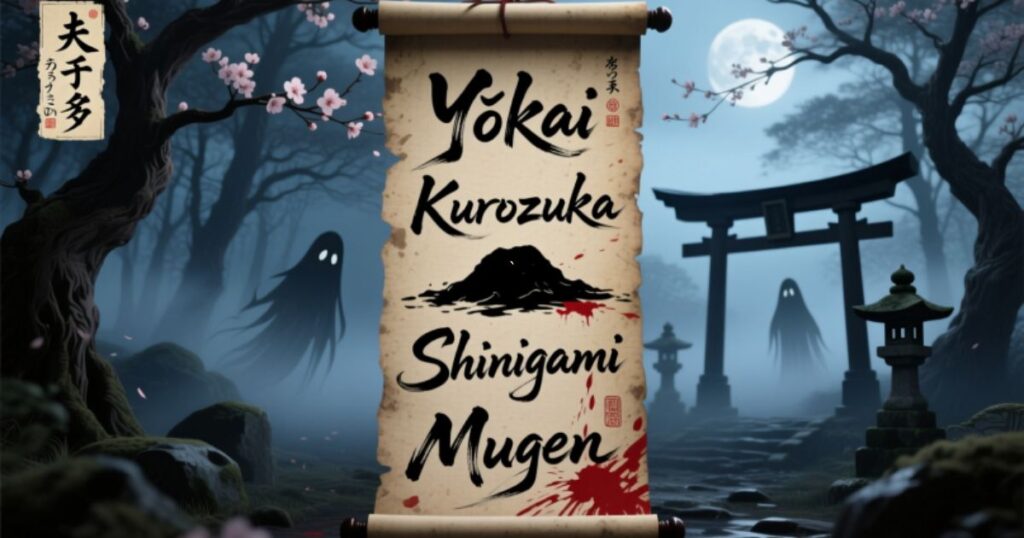
Rare surnames with darkness carry mysterious origins that few families share, making them particularly intriguing. These uncommon names often reference haunted places, forbidden love, or unusual ancestral occupation that set families apart. Their scarcity increases romantic melancholy and fascination with hidden histories they represent.
The cultural preservation of rare dark names becomes crucial as modernization threatens their survival. Families bearing these surnames serve as living links to ancient stories and folklore and legends others have forgotten. Their shadowed legacy represents unique aspects of surname history deserving documentation and respect.
Unique Japanese last names and meanings
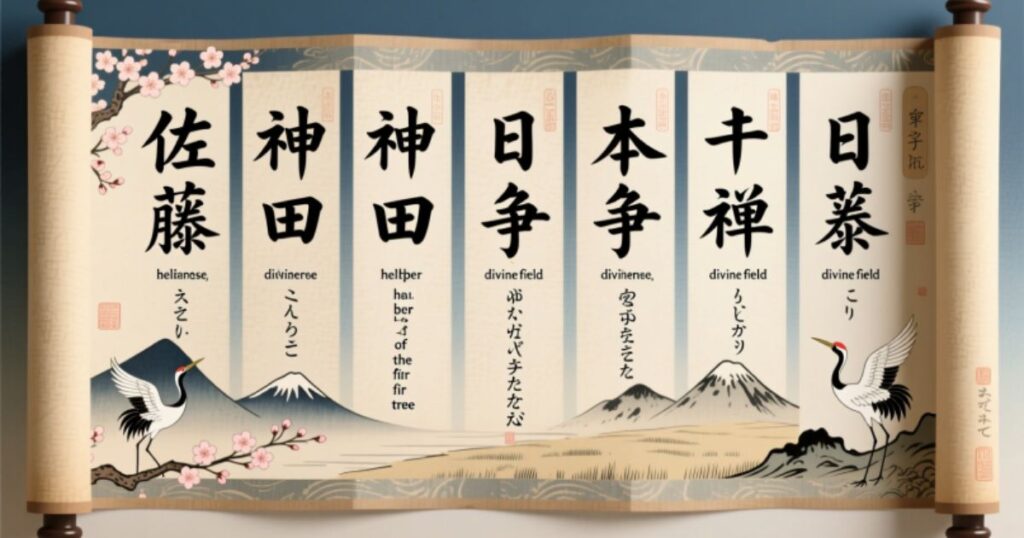
Unique surnames distinguish families through distinctive kanji meanings and nature symbolism that set them apart. While not all unique names carry darkness, those that do combine rarity with shadowed beauty, creating powerful family identity.
These names spark curiosity about mysterious origins and lineage and ancestry.The emotional journey of bearing a unique dark surname involves pride mixed with explaining unusual cultural identity markers.
These names preserve hidden histories in concentrated form, with each family maintaining specific ancient stories and historical events that created their distinctive designation and shadowed past.
Japanese last names with beautiful meanings

Contrasting dark surnames, beautiful names celebrate light, nature, and hope, though some maintain shadowed beauty by acknowledging life’s complexity.
The kanji meanings reference flowers, seasons, and positive nature symbolism, offering different emotional impact while still honoring cultural preservation and family identity through meaningful selection.Even beautiful names carry lineage and ancestry weight, as families chose them deliberately to overcome tragic past or sorrow and misfortune.
This conscious cultural identity shift demonstrates resilience, with names serving as declarations of hope despite family struggles. The emotional connection to names remains profound regardless of darkness.
Read Also This: https://celebsname.com/what-does-sfs-mean-in-text/
Frequently Asked Questions
What are some Japanese last names that mean darkness?
Names like Kurayami and Ankoku relate to darkness, symbolizing mystery or the unknown.
Which Japanese surnames have meanings linked to shadows?
Kageyama or Kagesawa incorporate “kage,” meaning shadow, suggesting secrecy.
Are there Japanese last names connected to death?
Names like Shinigawa can hint at “death,” often tied to folklore and spirits.
What Japanese family names imply night or the moon?
Yorunaga and Tsukishiro reference night or the moon, giving a mystical vibe.
Which surnames come from ghostly legends?
Yurei-related names like Yuriko’s family lines can connect to spirits in myth.
Do any Japanese last names hint at demons?
Oniishi or Onizuka include “oni,” referring to demons in folklore.
What last names suggest ominous forests or woods?
Morikage can mean “shadowed forest,” often tied to eerie places.
Are there surnames that symbolize curses or bad omens?
Noroware hints at “cursed,” linked to dark tales and misfortune.
Which Japanese names reflect blood or battle?
Chisato or Chiba include “chi,” meaning blood, from warrior histories.
Do Japanese last names reference abandoned places?
Haibara can suggest a “ruined field,” evoking desolation and bleak pasts.
Conclusion
Japanese last names continue fascinating people through their dark meanings and mysterious origins. These surnames preserve cultural identity, transforming tragic past into shadowed legacy that honors ancestral occupation, family struggles, and the emotional journey of survival through historical events and haunting legends.
The romantic fascination with these names ensures cultural preservation continues, as new generations explore their lineage and ancestry. By embracing shadowed beauty and hidden histories, families maintain connections to ancient stories, proving that family identity thrives when darkness receives acknowledgment alongside light.

Hi, I’m Dome — the face behind CelebsName, your daily source for real celebrity facts, names, and stories.