

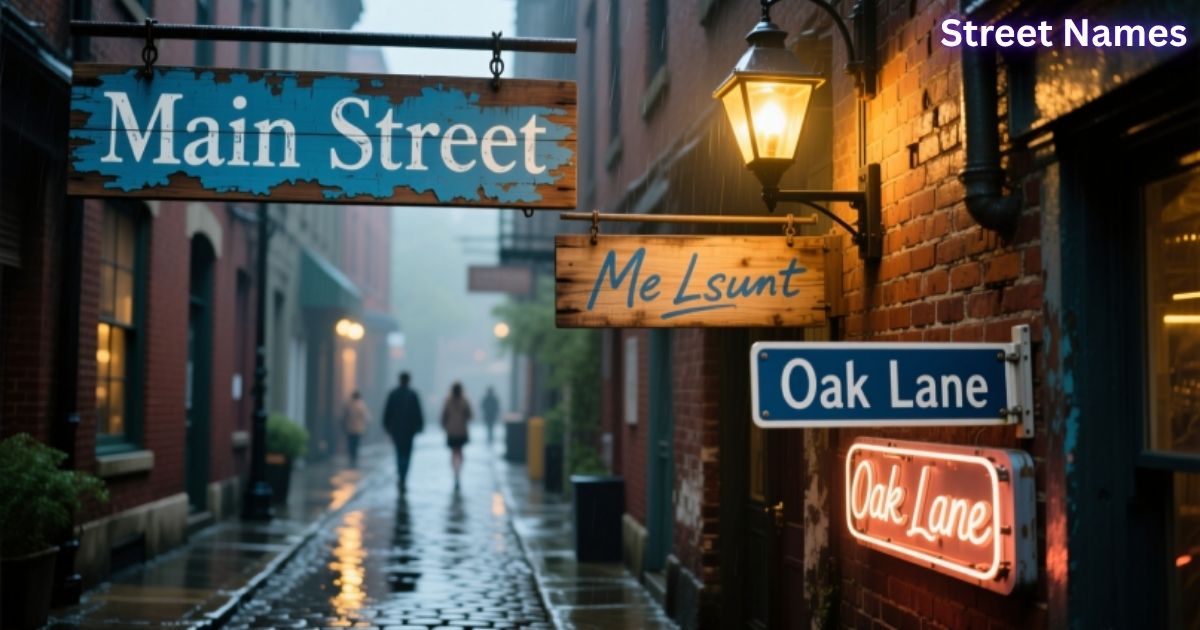
Every day, people walk past street names without realizing they’re stepping through layers of history. These simple signs hold hidden stories about battles, local heroes, and forgotten trades that shaped entire neighborhoods. Street names are silent storytellers, preserving collective memory in plain sight.
Most communities display their deepest values through commemorative naming, yet few pause to decode the meanings. Behind every sign lies cultural heritage, political decisions, and social transformations. Understanding street names unlocks a city’s soul, revealing forgotten history and community identity embedded in everyday geography.
How Do Street Names Reveal Hidden Stories of a City?

Street names function as urban storytelling devices, capturing moments when communities wanted to remember something significant. A street called Victory Lane might commemorate a military triumph, while Independence Street could mark a nation’s birth. These geographic markers document turning points in city history that textbooks often overlook.
Many neighborhood signs reference local legends or heroes whose sacrifices shaped entire regions. Names like Founder’s Road or Pioneer Avenue celebrate individuals who built communities from nothing. Through place identity, cities preserve tales of courage, innovation, and struggle that define their character and cultural reflection.
Read Also This: https://celebsname.com/black-girl-names/
What Makes Street Names So Meaningful in Every Culture?

Across the globe, street names carry deep cultural significance rooted in traditions and heritage. In some cultures, streets honor religious figures like Trinity Lane or Harmony Street, reflecting spiritual values. Other societies name streets after natural features such as Orchard Lane or Valley Road, showing respect for the natural landscape references that sustained them.
Cultural symbols appear differently depending on regional customs and societal values. European cities often feature royal names, while American streets celebrate democratic ideals with names like Liberty Avenue or Justice Boulevard. These naming conventions reveal what each society treasures most, creating emotional connection between residents and their surroundings.
How Are Street Names Chosen and What Do They Symbolize?

Street names emerge through formal naming policies involving city councils, historical societies, and community input. Governments establish guidelines balancing commemorative naming with practical needs like avoiding confusion.
Political influence on naming often appears when streets honor leaders, though communities sometimes resist controversial choices, sparking debate about heritage preservation.
The symbolic naming process reflects power dynamics and social dynamics within communities. Streets named Parliament Lane or Borough Road symbolize governance structures, while Tradition Avenue celebrates continuity.
Names like Earthquake Avenue or Rescue Avenue mark disasters that unified residents. Each choice represents deliberate attempts to shape collective memory and define shared identity.
Why Do Street Names Carry History Most People Don’t Notice?
Hidden meanings fade as generations pass and urban landscapes transform. A street called Foundry Lane once led to an actual iron foundry where workers forged tools, but the factory disappeared decades ago. Old Mill Road might reference a grain mill that powered entire settlements, now replaced by shopping centers and forgotten technology.
Urban development erases physical landmarks while street names remain, creating puzzles for modern residents. Blacksmith Road and Carpenter Avenue reference occupational terms from economies that vanished centuries ago.
These names preserve historical significance invisibly, requiring deliberate investigation to understand why our ancestors chose them and what cultural memory they intended to preserve.
What Secrets Can Street Names Tell About Your Neighborhood?

Examining local street names reveals patterns about neighborhood origins and evolution. Clusters of tree names like Oak Street, Elm Avenue, and Maple Drive suggest planned suburban developments from specific decades. Streets named after historical figures indicate when that area was developed and which heroes mattered then.
Geographic features mentioned in street names expose landscape changes. Creek Road without nearby water means developers buried streams underground. Hilltop Avenue on flat land suggests grading projects that reshaped terrain.
These place-based storytelling elements document how humans altered environments, providing clues about original ecosystems and urban evolution that transformed wilderness into cities.
How Do Street Names Evolve With Time and Community Change?
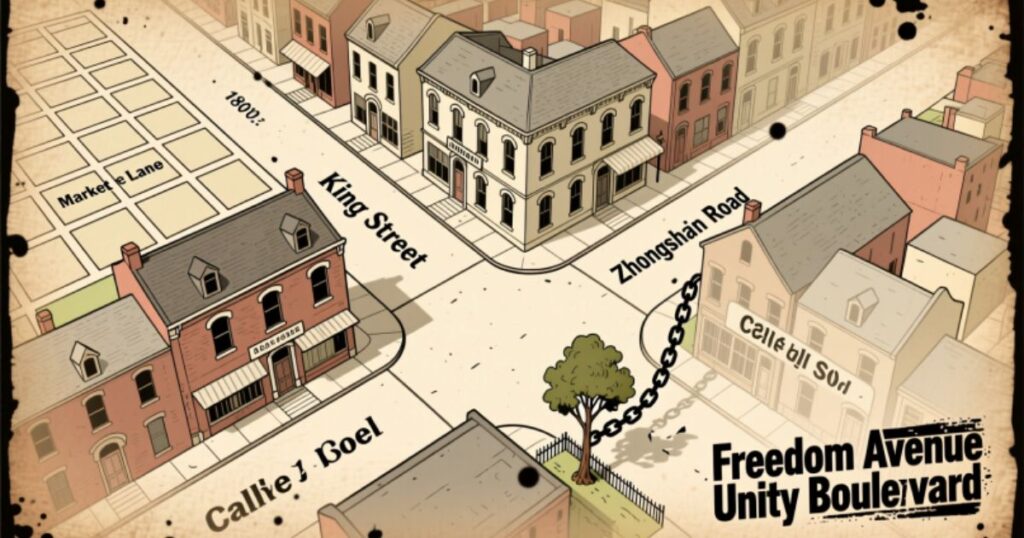
Community change forces difficult conversations about renaming streets honoring controversial figures. Cities grapple with street names celebrating colonizers or segregationists whose values contradict modern ethics.
Some communities vote to replace offensive names, while others argue for maintaining historical artifacts exactly as ancestors created them, sparking tensions between progress and preservation.
Social dynamics shift naming priorities across generations. Early street names celebrated military victories, but contemporary choices favor cultural diversity and inclusion. Legacy Lane and Heritage Avenue emerge as neutral options acknowledging the past without glorifying specific individuals.
This evolution reflects society’s changing relationship with history and growing awareness of whose stories deserve commemorative naming.
Why Are Street Names Connected to Heritage and Memory?

Street names serve as daily reminders of cultural heritage, creating emotional markers that anchor communities to their roots. Walking down streets named after grandparents’ generation builds identity formation by connecting present residents to ancestors’ experiences. These names function as public monuments accessible to everyone, democratizing memory preservation beyond museums and formal memorials.
Collective memory requires physical anchors to prevent important stories from vanishing completely. When cities name streets after local heroes or significant historical events, they ensure future generations encounter those references repeatedly.
This constant exposure maintains community memory naturally through everyday navigation, embedding heritage preservation into routine life rather than relegating history to specialized institutions.
How Do Street Names Reflect Past Events and Local Legends?

Major historical events leave permanent marks on city history through naming. Streets called Victory Road or Liberation Avenue commemorate wars that defined nations. Evacuation Lane or Refuge Street might reference natural disasters when entire populations fled. These names ensure dramatic moments remain visible even when survivors pass away and physical damage heals.
Local legends appear in street names celebrating community-specific stories outsiders wouldn’t recognize. A street honoring a beloved teacher, firefighter, or merchant preserves neighborhood heroes whose impact stayed local.
Names referencing local traditions or annual festivals celebrate cultural practices unique to specific regions, functioning as insider knowledge that strengthens local identity and distinguishes communities from surrounding areas.
What Hidden Meanings Lie Behind Everyday Street Names?

Many street names contain symbolic representation invisible without historical context. Crescent Street might reference moon-worshiping cultures or simply describe the road’s curved shape. Understanding requires investigating cultural symbols and naming conventions specific to when streets were established.
Romantic or poetic street names like Harmony Street or Serenity Lane reflect aspirations rather than historical facts. Developers chose these names to attract buyers by promising peaceful living, employing emotional connection as marketing strategy.
Other names reference geographic markers using archaic terms, a “borough” meant fortified town, while “vale” described valleys, creating linguistic puzzles that require translation for modern readers.
How Do Street Names Shape Identity and Local Belonging?

Street names contribute powerfully to community identity by defining how residents perceive their neighborhood. Living on Historic District Boulevard versus Industrial Park Road creates different self-concepts and expectations about community character. These names influence identity formation by suggesting what matters locally and which values residents should embrace.
The emotional belonging generated by street names strengthens community cohesion and pride. Residents develop attachment to streets honoring shared cultural values or commemorating collective achievements.
Names celebrating traditions and heritage remind people they belong to something larger than themselves, fostering local identity through daily encounters with place identity markers that reinforce community distinctiveness and historical continuity.
Read Also This: https://celebsname.com/emotional-farewell-captions-for-instagram/
Frequently Asked Questions
How do street names reveal hidden stories?
They often honor past events or people whose roles shaped the community’s identity.
Why are old street names important?
They preserve cultural memory and show how cities evolved through different eras.
What can a street name tell us about local heritage?
It hints at historical industries, founders, or significant cultural moments.
Why do some streets have unusual or outdated names?
They reflect the language, values, or events from the time they were first created.
How do street names show migration or settlement patterns?
Names often mirror the cultures and groups that originally settled the area.
Why do cities keep street names that no longer make sense today?
Keeping them maintains historical continuity even when surroundings change.
How can street names show political or social changes?
Renamed streets often reflect shifts in power, ideology, or community priorities.
What makes certain street names controversial?
Some commemorate figures or events later viewed as problematic or divisive.
How do street names help us understand urban development?
They reveal the timeline of expansion, planning, and local transformations.
Why don’t people usually notice the history behind street names?
Familiarity turns them into everyday labels, making their origins easy to overlook.
Conclusion
Street names represent irreplaceable cultural heritage deserving attention and preservation. By understanding the hidden stories behind everyday signs, communities reconnect with their roots and appreciate the historical significance surrounding them constantly.
Exploring street names transforms ordinary navigation into discovery, revealing meanings behind names that shaped neighborhood character and city history. This awareness strengthens community identity, honors ancestors’ choices, and ensures heritage preservation continues.

Hi, I’m Dome — the face behind CelebsName, your daily source for real celebrity facts, names, and stories.